
Based on your book
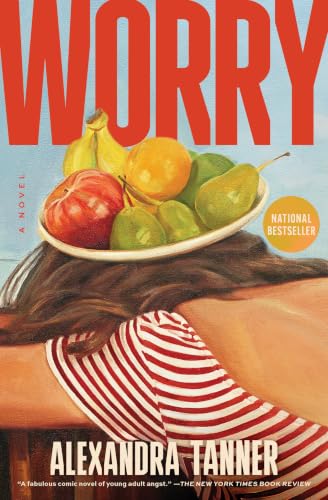
Worry
by Tanner, Alexandra
Worry is a sharp, claustrophobic look at the tethered existence of two sisters whose lives are defined by their proximity to one another. It is less a plot-driven story and more a slow-motion study of how family history acts as an anchor, keeping the characters stuck in cycles of anxious overthinking and mutual codependency. The prose is observational and often biting, capturing that specific, heavy feeling of being trapped in your own head while trying to navigate the expectations of the people who know you best. It feels like watching a private, messy conversation that you were never meant to overhear. This is for the reader who prefers psychological realism over high-stakes action, and who finds comfort in literature that validates the messy, unglamorous, and deeply neurotic parts of being human.
10 Books similar to 'Worry'
Since you connected with the specific brand of intellectual anxiety and strained domesticity in Worry, these ten titles were curated to match that precise frequency. Whether it is the fragmented, internal-monologue heavy approach of Jenny Offill or the biting, cynical observations found in the works of Ottessa Moshfegh and Naoise Dolan, these books all prioritize the messy interiority of their protagonists. They explore the same territory of dysfunctional bonds and the existential dread of modern adulthood, offering a mirror to those who find beauty in the uncomfortable, hyper-aware, and deeply relatable nature of personal unraveling.
As an Amazon Associate, we earn from qualifying purchases.

Like 'Worry,' this novel captures a distinct, detached, and slightly cynical voice navigating the anxieties of modern life. It shares a focus on internal psychological states and the absurdity of contemporary existence, making it a perfect match for readers who appreciate Tanner's sharp, observational style.


by Sally Rooney
Rooney's exploration of complex, intimate relationships and the nuances of modern communication resonates deeply with the themes in 'Worry.' Both books excel at dissecting the anxiety of being young and deeply embedded in another person's life.

Love to read on the go?
Explore Kindle e-readers and take your books with you.
As an Amazon Associate, we earn from qualifying purchases.

by Elif Batuman
Batuman's protagonist navigates the confusion of early adulthood with a specific, intellectual, and slightly detached humor that feels very much in conversation with 'Worry.' Both books capture the specific anxiety of trying to decipher the world around you.
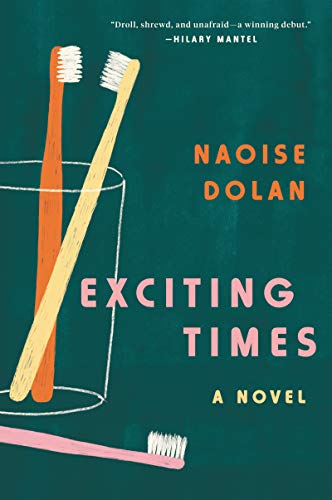
by Naoise Dolan
Dolan's writing style is precise, witty, and deeply focused on the internal monologue of a woman trying to find her place in a complicated social dynamic. It shares the same 'vibe' of modern, anxious, and highly cerebral fiction that fans of Tanner will adore.

by Jenny Offill
This novel uses a fragmented, highly lyrical structure to explore the anxieties of marriage, motherhood, and selfhood, much like 'Worry' uses its structure to mirror the sisters' spiraling thoughts. It is a masterclass in capturing the 'worry' of daily life.

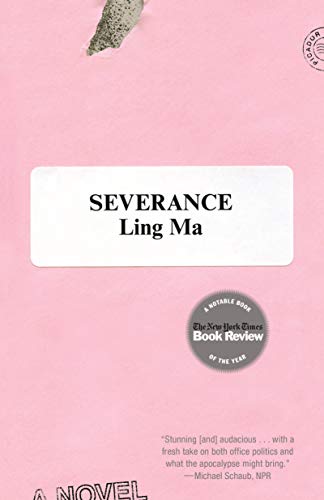
While the setting is different, the intense focus on the sensory experience of a new, overwhelming environment and the complex, often toxic relationships formed within it, mirrors the emotional stakes of 'Worry.' It captures the feeling of being an outsider looking in.

This book dives headfirst into the intersection of obsession, body image, and family dynamics with a raw, unapologetic voice. Readers who enjoyed the unfiltered and sometimes uncomfortable honesty in 'Worry' will find a kindred spirit here.

Heiny offers a more humorous, but equally sharp, look at the anxieties of family life and the strange ways people connect and disconnect. It shares a similar focus on the minutiae of daily existence and the quirks of the people we are closest to.

Not sure what they've already read?
Let them pick their next favorite with an Amazon Gift Card.
As an Amazon Associate, we earn from qualifying purchases.
As an Amazon Associate, we earn from qualifying purchases.