

Based on your book
Yokohama Station SF
by Isukari, Yuba
Yokohama Station has stopped expanding, but it has already consumed most of Japan. The structure is a living, self-replicating organism that dictates life for those trapped within its cold, metallic corridors. You follow a protagonist who ventures outside the station’s oppressive grip, only to realize that the world he thought he knew has been entirely overwritten by architecture. The reading experience is intensely claustrophobic, leaning into a surreal, mechanical dread that makes you feel small and easily discarded by the system. It is a slow-burn exploration of how humanity adapts to environments that are not built for them. If you enjoy fiction that treats geography as a hostile character and you have a penchant for high-concept, existential sci-fi that prioritizes world-building over traditional heroics, this will linger in your mind for days.
10 Books similar to 'Yokohama Station SF'
If the sheer scale of the Station left you feeling small, these titles lean into that same sense of architectural existentialism. We curated this list because each book explores how environments—whether they are self-replicating megastructures, walled-in cities, or zones of reality-bending physics—fundamentally reshape human identity. You will find similar threads of social stratification, the struggle against uncaring systems, and the lonely, quiet hunt for meaning within a broken world. These picks are for readers who want to see how geography dictates destiny when society has been stripped of its traditional foundations.
As an Amazon Associate, we earn from qualifying purchases.

Like Yokohama Station SF, this manga features a protagonist navigating a massive, self-replicating, and hostile architectural megastructure that has consumed the world. It shares the same sense of awe, isolation, and the feeling of being a tiny speck within an incomprehensible, endless system.

This novel explores the bizarre social and physical boundaries of two cities occupying the same space, echoing the way the Station in Yokohama Station SF imposes arbitrary yet absolute rules on its inhabitants. Fans will appreciate the intricate world-building and the focus on how societal structures define reality.

This seminal cyberpunk work presents a world where corporate entities and infrastructure have superseded traditional government, much like the Station's total control over its populace. It offers a similarly fast-paced, high-concept exploration of how technology and geography shape human society.
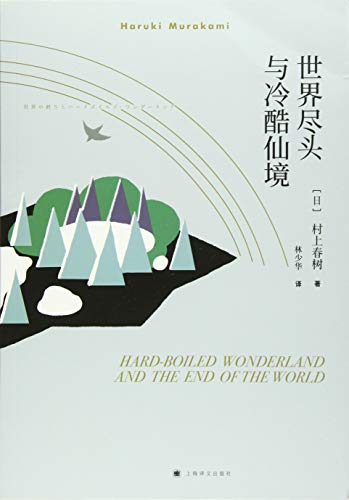
This book features a surreal, walled city that traps its inhabitants, mirroring the claustrophobic and inescapable nature of the Station. It blends metaphysical inquiry with a strange, dreamlike atmosphere that will resonate with readers who enjoyed the unique setting of Isukari's work.

Not sure what they've already read?
Let them pick their next favorite with an Amazon Gift Card.
As an Amazon Associate, we earn from qualifying purchases.

by Arkady and Boris Strugatsky
The concept of an alien 'Zone' that changes the rules of physics and society is a perfect parallel to the living, growing Station. It captures the same feeling of humanity trying to survive and make sense of a phenomenon they cannot control or fully understand.

by J.G. Ballard
Ballard's novel examines how a self-contained, vertical living space can rapidly devolve into tribalism and chaos, reflecting the social stratification found within the Station's various districts. It is a brilliant study of how architecture dictates human behavior and social hierarchy.

As a foundational text of the genre, it shares the gritty, high-tech, low-life aesthetic that underpins the world of Yokohama Station SF. Readers will enjoy the journey through a fragmented, technology-dominated landscape where the environment itself is a character.

This bio-punk novel depicts a future where corporate-controlled technology and environmental collapse have fundamentally altered the world, much like the Station's dominance. It features deep political maneuvering and a look at how ordinary people survive in a radically changed ecosystem.

by Yoko Ogawa
Set on an island where things are systematically 'disappeared' from memory and existence by a mysterious authority, this book shares the quiet, oppressive, and surreal dread found in Yokohama Station SF. It is a masterful exploration of how a system can erode identity.

While more character-focused, it shares the theme of how humanity persists and adapts within the ruins of a collapsed civilization. The way the characters navigate a world defined by the remnants of the past mirrors the protagonist's journey through the Station's endless, sprawling infrastructure.

Love to read on the go?
Explore Kindle e-readers and take your books with you.
As an Amazon Associate, we earn from qualifying purchases.
As an Amazon Associate, we earn from qualifying purchases.